English
 Türkçe



In most businesses the single largest line on the electricity bill is not lighting or heating, but the electric motors that turn quietly all day long. The asynchronous motors used in pumps, fans, compressors, conveyors and hydraulic units can on their own account for the majority of a facility's total power consumption. This is exactly where a deceptively simple but investment-critical question arises: should you buy an IE3 motor, or step up to an IE4 super premium efficiency motor? In this article we examine the difference between the two efficiency classes, how that difference shows up on the bill, and most importantly how many years it takes for the investment to pay for itself, walking through a concrete worked example step by step.
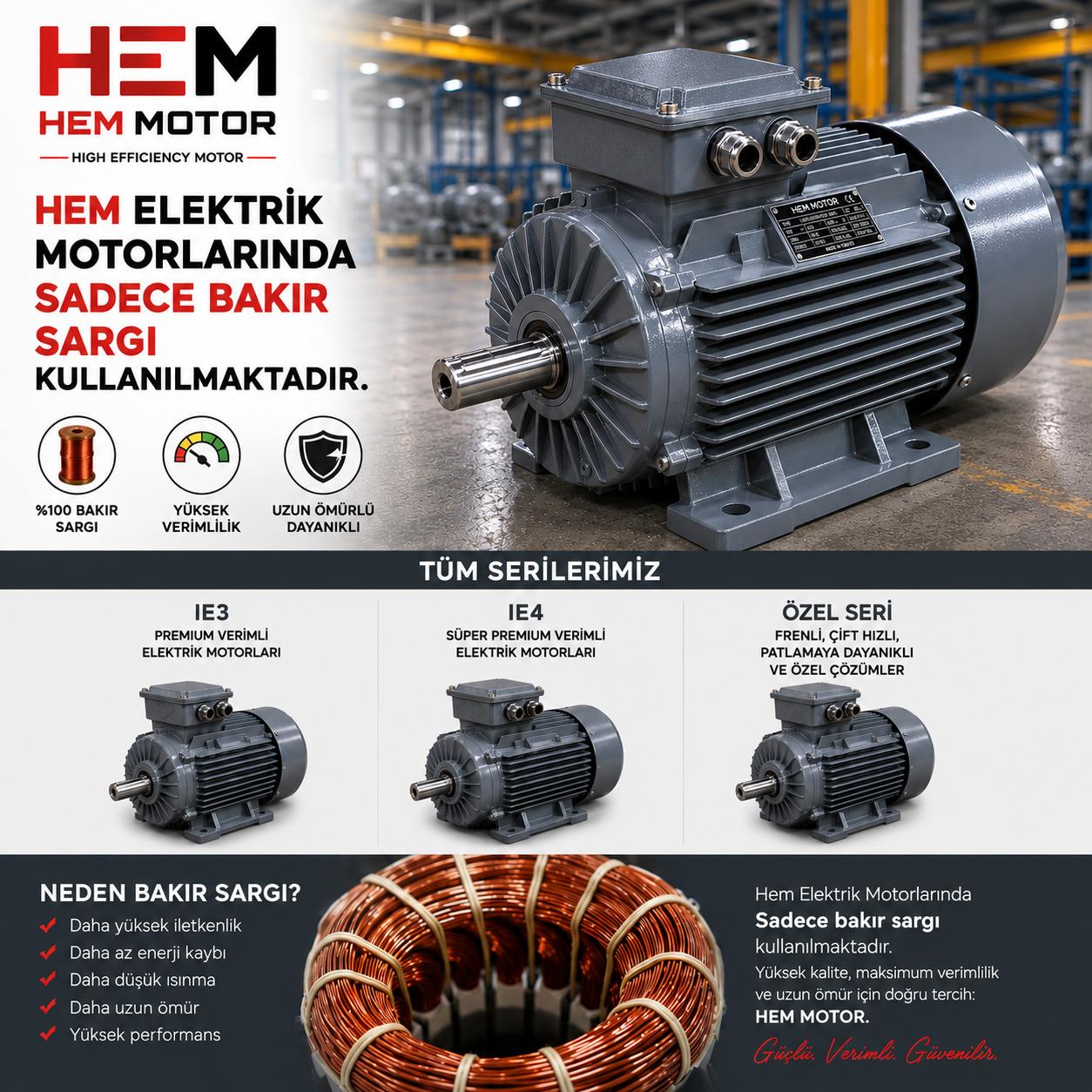
What Do the IE3 and IE4 Efficiency Classes Actually Mean?
In electric motors the efficiency class indicates how much of the electrical energy drawn from the grid is converted into mechanical power at the shaft. The international IEC 60034-30-1 standard classifies motors as IE1 (standard efficiency), IE2 (high efficiency), IE3 (premium efficiency) and IE4 (super premium efficiency). The higher the class, the lower the motor's losses, meaning it draws less energy from the grid to do the same work. Although the difference looks small as a percentage, on high-power motors that run for long hours that small percentage turns into thousands of kilowatt-hours of savings every year.
Regulations in Turkey and across Europe increasingly mandate IE3 and above. That is why, when making a new investment today, the choice is no longer between IE1 or IE2 but between IE3 and IE4. The efficiency gap between IE3 and IE4 is typically around one and a half percentage points. That gap may seem small, but on a motor running 16 hours a day it produces enough savings to pay back the motor's extra cost within a few years.
Why Does the Efficiency Gap Matter So Much?
Most of the total money a motor spends over its lifetime is not the purchase price but the electricity it consumes. On a continuously running motor the electricity cost can reach dozens of times the purchase price. Choosing a motor on sticker price alone is therefore like looking only at the visible tip of the iceberg. The real cost is hidden in the energy the motor draws year after year once it leaves the shelf. For that reason, the investment decision must weigh lifetime energy consumption at least as heavily as, if not more than, the purchase price.
A Payback Calculation Using a 22 kW Example
To make the theory concrete, let us take a widely used rating: a 22 kW motor. Suppose this motor runs in a water pump or fan application 16 hours a day and roughly 300 days a year. That works out to about 4,800 operating hours per year. Using the steps below you can plug in your own figures and run the calculation in minutes:
- Operating hours: Determine how many hours a day and how many days a year the motor turns. In continuous processes this number is very high.
- Load factor: What percentage of its rated power does the motor run at? In most applications motors run at 75-90% load.
- Efficiency values: Note the efficiency percentages printed on the IE3 and IE4 nameplates. In the 22 kW class this gap is typically about one and a half points.
- Electricity unit price: Use your business's current industrial tariff per kWh. This value directly determines the size of the savings.
- Extra investment difference: Identify the purchase price difference of the IE4 motor compared with the IE3.
When you bring these five inputs together you can find how many fewer kilowatt-hours the IE4 motor consumes per year, what that equals in money per year, and in how many years the extra investment pays for itself. On a 22 kW motor running 16 hours a day, the one-and-a-half-point efficiency gap means a significant annual energy saving, and the price difference is in most cases recovered within a few years.
How Do You Run the Calculation Step by Step?
- First calculate the annual energy consumption of each motor separately: power (kW) × operating hours × (1 / efficiency).
- Find the difference between the two consumptions; this is the annual energy saving achieved with IE4.
- Multiply the saved kilowatt-hours by the electricity unit price; this gives the annual monetary saving.
- Divide the IE4 extra investment cost by the annual saving; the result is the payback period of the investment.
These four simple steps let even a business owner with no engineering background reach a sound decision with their own numbers. What matters is keeping the assumptions realistic and, above all, filling in operating hours and electricity price with your facility's true values.
The Right Class Is Not the Same for Every Business
The most common mistake here is the generalization that "IE4 is always better." Technically IE4 is more efficient; but the right decision from an investment standpoint depends on your operating profile. For the same 22 kW motor, the answer is completely different for a standby pump running 2 hours a day versus a process fan running 20 hours a day. That is why an assessment based on your own data is essential rather than blanket advice.
Three core variables determine whether the investment makes sense:
- Operating hours: The more the motor runs, the greater the saving from the efficiency gap and the shorter the payback period. On continuously running motors IE4 is almost always profitable.
- Load factor: On motors running near full load continuously, the efficiency gap shows up clearly on the bill. On motors at very low load that stop frequently, the gain can be more limited.
- Electricity unit price: As the unit energy price rises, the value of every saved kilowatt-hour grows and the IE4 advantage becomes more pronounced.
When these three factors come together the decision becomes clear: for a business that runs long hours, at high load and pays a high electricity price, IE4 is an obvious win. In a lightly loaded standby application that runs only briefly, IE3 may be sufficient and more economical. The decision should be an engineering one based on numbers, not an emotional preference.
In Which Applications Does IE4 Stand Out?
- Continuously running water and wastewater pumps
- Cooling towers and ventilation fans
- Compressors and vacuum units
- Uninterrupted process equipment such as conveyors and material handling lines
- Main drive motors in three-shift production plants
Hidden Costs in the Investment Decision
Looking only at the electricity bill when running a payback calculation can be misleading. Because high-efficiency motors generally run at a lower operating temperature, winding and bearing life is extended, maintenance intervals widen and the risk of unexpected downtime drops. The cost of downtime on a production line is often far higher than the price of the motor itself. The return on an IE4 investment should therefore be assessed not just by kilowatt-hour savings but together with increased reliability and reduced downtime risk.
In addition, energy-efficiency incentives, carbon footprint targets and sustainability reporting also influence the decision. Switching to efficient motors both lowers the bill and contributes to a business's environmental goals. For this reason many businesses have begun to treat motor renewal not only as a response to failure but as a planned efficiency investment.
Stock, Supply and Manufacturer Assurance
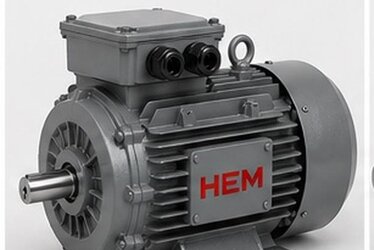
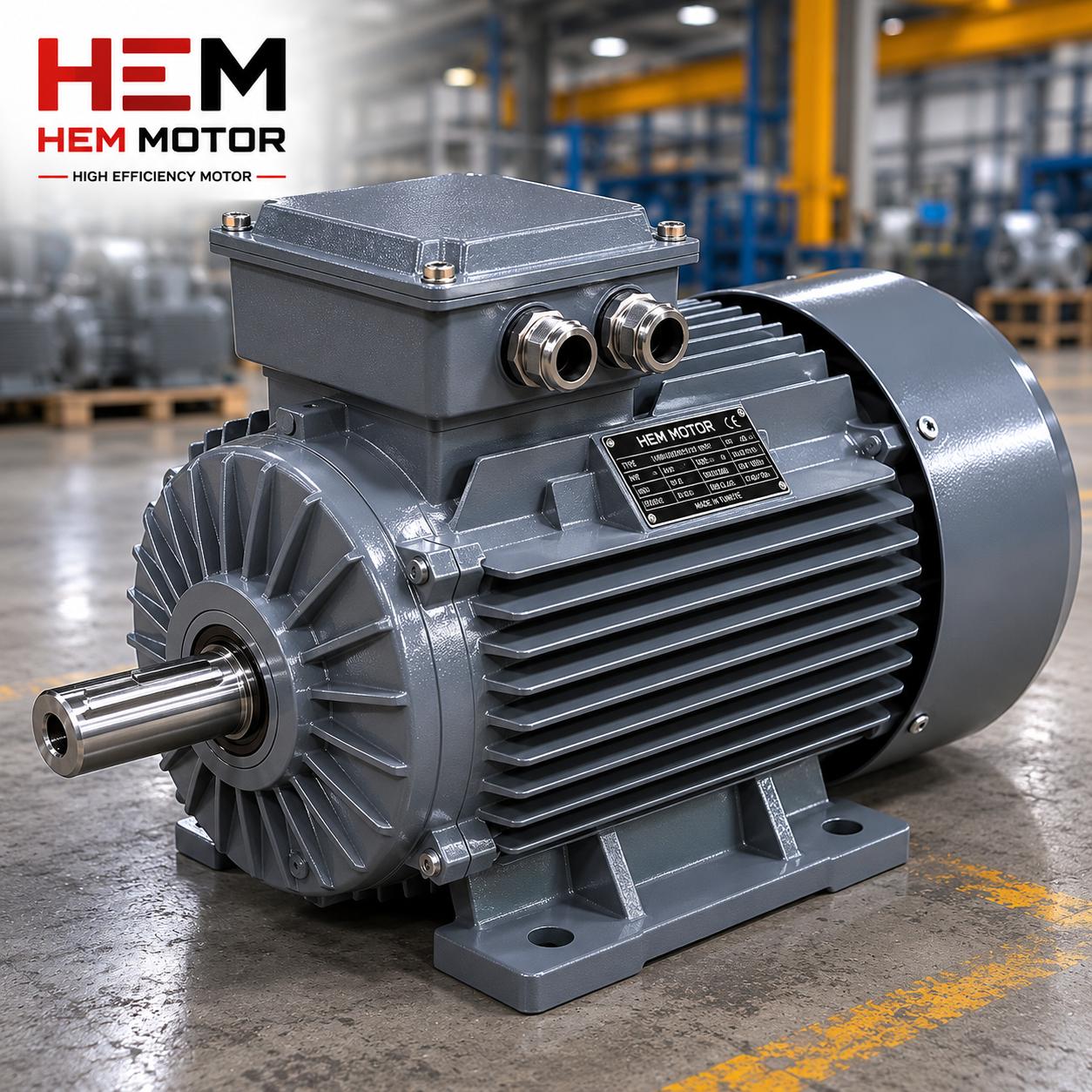
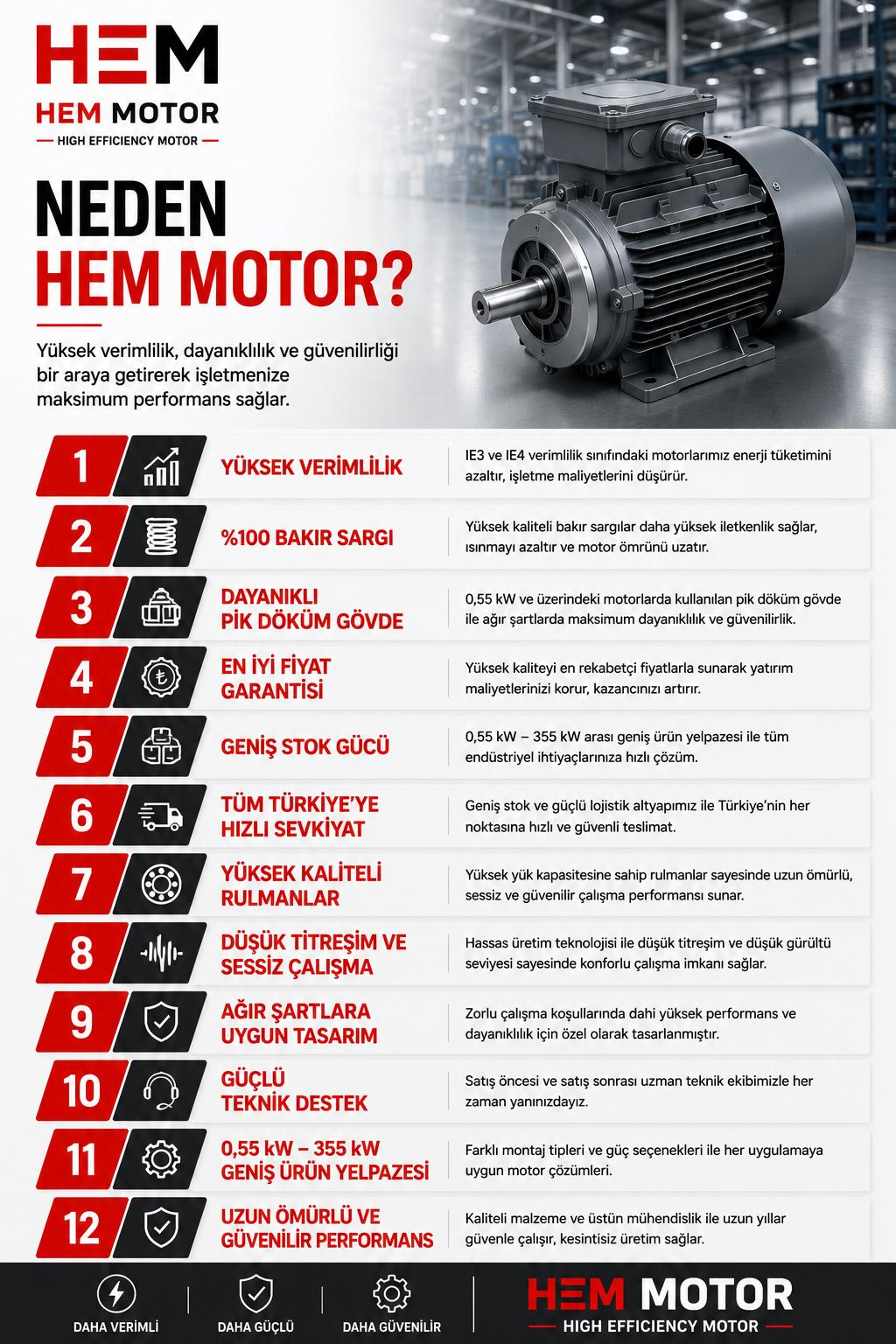
Once the right class is decided, the second critical issue is availability. When a motor fails or a capacity increase is needed, supplying the right power and speed motor quickly from stock is vital to keeping production from stopping. HEM Motor delivers IE3 and IE4 motors across a broad power range quickly from strong stock, minimizing the waiting time of businesses. The technical support that comes with manufacturer assurance also guides the correct class and power selection.
At the quotation stage, not only price but delivery time, warranty coverage, spare-part continuity and efficiency certificates should be evaluated. The right supplier is one that stands behind the motor throughout its life, not one that sells it once and walks away. By requesting a quote you can clarify current electric motor prices and the differences between classes, and pin down the right investment for your own business.
For more on efficiency classes and technical details you can review our electric motor efficiency class guide, and for choosing the right rating you can read our motor power and speed selection article.
Frequently Asked Questions
Does the difference between IE3 and IE4 really show up on the bill?
Yes. The roughly one-and-a-half-point efficiency gap stays small on a motor that runs little; but on motors that run 16 hours a day or more at high load, the annual saving becomes significant. A high electricity unit price magnifies this gap further and pays back the investment within a few years.
Does it make sense to move to IE4 for every motor?
No. The right class depends on operating hours, load factor and electricity price. On continuously running, high-load motors IE4 is a clear win; in lightly used standby applications IE3 may be more economical. The decision should rest on a payback calculation made with your own data.
Can I run the payback calculation myself?
Yes. By bringing together operating hours, load factor, the efficiency values of both motors, the electricity unit price and the extra investment difference, you can find the payback period in minutes. You only need to fill in the 22 kW example in this article with your own figures.