English
 Türkçe


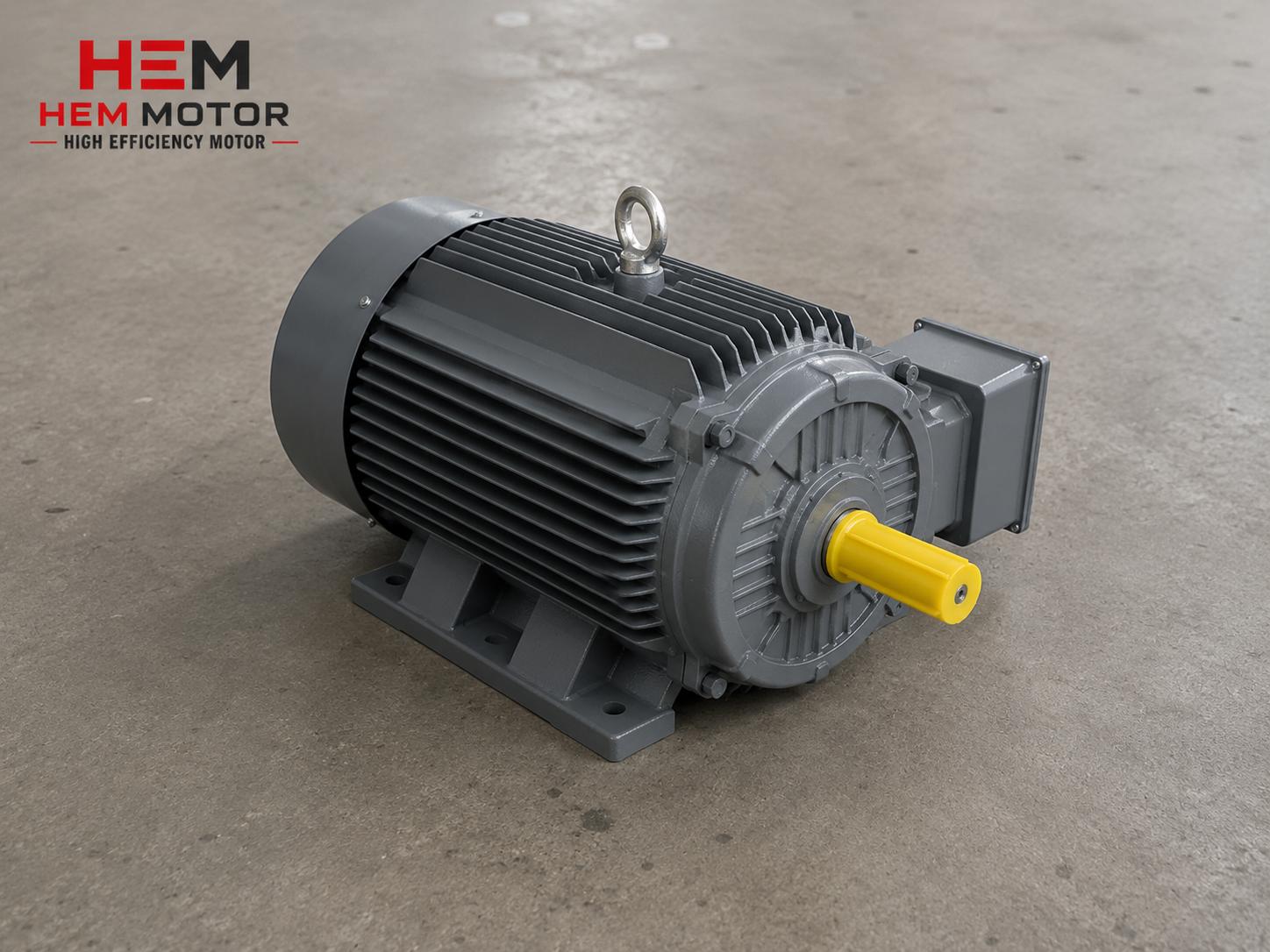

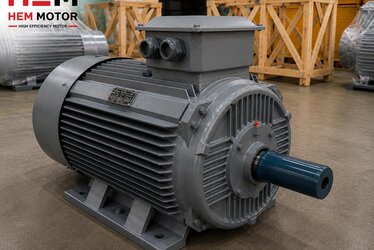
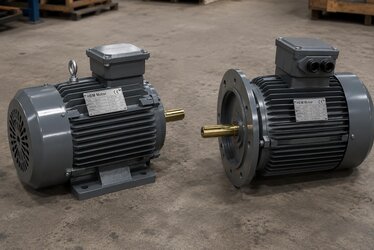
When buying a cast iron electric motor, most facilities focus on power, speed and efficiency class; yet one of the most critical factors determining the field life of a motor is the surface protection of its frame. In environments such as coastlines, chemical plants, water treatment sites, cold storage or open-air installations, an improperly painted cast iron frame can be eaten away by corrosion within a few seasons, attacking cooling fins, feet and the terminal box. The result is loss of appearance, heat dissipation and sealing. As both a manufacturer and a supplier, HEM Motor delivers its IE4 cast iron motors with cataphoresis (e-coat) primer and an epoxy/polyurethane topcoat. In this article we explain, from a commercial buying perspective, what painting and cataphoresis coating mean for your purchase, the corrosion classes, and which protection package to request for each environment. Specifying the right coating at the ordering stage is far more economical than fighting corrosion after the motor is installed.

Why Does a Cast Iron Frame Need Painting and Coating?
Cast iron is the standard frame material for heavy-duty motors thanks to its high mechanical strength and vibration damping. In the HEM Motor catalog, cast iron framed motors in the 0.55 kW – 355 kW range are produced with IP55 protection and Class F insulation. However, by its nature the cast iron surface reacts with atmospheric moisture and oxygen when unprotected, forming rust (iron oxide). Rust is not just a cosmetic issue: an oxide layer accumulating on the fin surfaces reduces heat dissipation, raises winding temperature and shortens motor life. As we emphasized in our article on cast iron motor corrosion in open-field use, frame protection is an inseparable part of motor selection.
The critical point for purchasing is this: even when they look identical, there is a difference of years in field life between a standard industrial paint layer and a cataphoresis-primed paint system. So when requesting a quote, saying merely "painted motor" is not enough; you must specify the corrosion class and coating type.
Surface Preparation: The Foundation of Protection
No paint or coating lasts long on an improperly prepared surface. In a quality cast iron motor, the frame is cleaned of oil, casting sand residue and oxide before painting. In industrial practice, surface preparation is done by blasting or chemical cleaning (phosphating); this step determines paint adhesion to the frame. On cheap motors with poor surface prep, paint flakes off and corrosion advances underneath. In HEM Motor production, frames pass through multi-stage surface cleaning before entering the cataphoresis bath; this is the invisible but decisive step that lets the coating hold for the 10-15 year field life.
What Is Cataphoresis (E-coat) Coating and Why Does It Matter?
Cataphoresis coating (cathodic dip painting, known internationally as e-coating) is a method in which the frame is immersed in a paint bath and, with the aid of electric current, paint penetrates and coats the metal surface in a uniform thickness reaching every recess and protrusion. Standard for chassis corrosion protection in the automotive sector, this method also provides the most reliable primer protection on electric motor frames. The cataphoresis primer reaches uniformly into fin gaps, foot undersides and terminal box edges that spray paint cannot reach.
The cataphoresis system has three core advantages for purchasing:
- Uniform primer: Every point of the complex cast iron geometry is protected equally; the fin roots most prone to corrosion are not left exposed.
- High corrosion resistance: The KTL primer + topcoat combination lasts many times longer than a bare frame in salt-spray tests.
- Solid base for the topcoat: The epoxy or polyurethane topcoat applied over the cataphoresis primer adds both color and extra chemical resistance.

Primer and Topcoat: The Logic of Two-Layer Protection
A professional corrosion protection system is not single-layer. While the cataphoresis primer protects the frame at the metal level, the topcoat applied over it (typically polyurethane or acrylic over an epoxy primer) forms the outer shield against UV, chemical splash and mechanical wear. In marine and chemical environments the topcoat thickness and type are separately specified. This two-layer logic lets the motor serve for years in both humid and aggressive environments. The terminal box and covers must be protected with the same system; otherwise, as in our topic on terminal box and cable connection IP protection, the weakest point becomes corrosion of the connection box rather than the motor.
Corrosion Classes (C1-C5) and Which Environment Needs What?
The ISO 12944 standard classifies corrosive environments from C1 (indoor, dry) to C5 (marine/industrial, very aggressive). Positioning your site correctly on this scale when buying a motor saves you from both unnecessary cost and insufficient protection:
- C1-C2 (dry indoor, light humidity): Standard cataphoresis primer + topcoat is sufficient. General industrial facilities, enclosed production lines.
- C3 (medium corrosive, humid industry): Food factories, cold storage, washing lines. A thicker topcoat is recommended.
- C4 (high corrosive, chemical): Treatment plants, chemical industry, galvanizing lines. Epoxy topcoat and, if needed, tropicalization is required.
- C5-M / C5-I (marine and heavy industry): Coastlines, ports, offshore facilities. The thickest cataphoresis + epoxy system, stainless fasteners.
HEM Motor helps you determine the corrosion class of your site at the quote stage and delivers high-efficiency electric motors with the correct coating package.
Tropicalization: Humid and Tropical Climate Protection
Tropicalization is the protection of the motor winding and internal components against high humidity, mold and salty air with special varnishes. While the external frame coating prevents corrosion, tropicalization protects the winding insulation from the inside. Tropicalized winding should be requested for coastal facilities, exports to tropical climate regions and constantly high-humidity environments (treatment plants, near cooling towers). This feature significantly extends the life of Class F insulation in humid environments.
How IP Protection and Coating Work Together
Corrosion protection (paint/cataphoresis) and IP protection class selection are two separate, complementary concepts that are often confused. IP protection prevents dust and water from entering the motor (IP55, IP65, IP66); coating protects the outer surface of the frame from corrosion. For a cast iron motor exposed to dust and rain in the open field, both a high IP class and aggressive cataphoresis coating must be requested together. Asking only for IP66 does not protect the frame surface from corrosion; asking only for thick paint does not block ingress moisture. The correct order specifies both according to your environment. In dusty, high-impact sites, the field measures in our crusher motor IP65/IP66 dust sealing article should also be considered.
Practical Ordering Recommendations for Marine, Chemical and Humid Environments
Specifying these packages when requesting a quote by your site type prevents the wrong motor from arriving:
- Coastline / port: C5-M cataphoresis + epoxy topcoat, tropicalization, IP65/IP66, stainless screws.
- Chemical / treatment plant: C4 cataphoresis + chemical-resistant epoxy topcoat, seal renewal, IP65.
- Cold storage / food: C3 coating, condensation drain holes, anti-bacterial topcoat if needed, IP55/IP65.
- Open field / mining: C4-C5 coating, dust seals, IP66; together with the measures in stone quarry and mine motor protection.
Because HEM Motor can offer these packages from a single supplier with the right coating documentation under its manufacturer identity, it saves both time and cost in project-based supply. The same coating options are offered for IE3 motors and different mounting types.
Coating Maintenance and Field Life
Although a cataphoresis-coated motor requires no maintenance for years after installation, scratches formed during handling and assembly are the weakest point of the frame; corrosion starts from these points. Covering scratches with touch-up paint during periodic site checks preserves the integrity of the coating. For coating damage that may occur during transport, we recommend applying the receiving steps in our electric motor shipping damage checklist article. A properly coated and properly handled cast iron motor reaches the durability targets stated in our insulation class in hot and dusty environments article, even in aggressive conditions.
Frequently Asked Questions
What is the difference between a standard painted motor and a cataphoresis-coated motor?
Standard spray paint coats only the accessible outer surface of the frame with a thin layer; fin roots and recesses may be left bare. In cataphoresis (KTL) coating, the frame is immersed in a paint bath and a homogeneous primer penetrates every point via electric current. Therefore a cataphoresis-coated motor stays corrosion-free far longer than a standard painted one in humid and corrosive environments. For open field, coastlines and chemical plants, cataphoresis primer is practically mandatory.
Which corrosion class should I request for which environment?
C1-C2 is suitable for dry enclosed facilities, C3 for humid industry and food, C4 for chemical and treatment, and C5 for coastlines and heavy industry. Tell us the humidity, salt and chemical intensity of your site; HEM Motor will recommend the correct cataphoresis + topcoat package, adding tropicalization if needed. Choosing the wrong class means either unnecessary cost or early corrosion.
Does cataphoresis coating replace the IP protection class?
No. Cataphoresis coating protects the outer frame surface from corrosion; IP protection (IP55/IP65/IP66) prevents dust and water from entering the motor. They serve different functions and must be requested together. In open and humid sites both a high IP class and aggressive cataphoresis coating must be specified; neither alone provides sufficient protection.
Get a Quote
Talk to HEM Motor specialists for a cast iron motor with the correct cataphoresis coating and IP protection matched to your site corrosion class and humidity conditions. Share your requirement (power, speed, mounting type, environment) and we will quickly offer a stock or production solution including the right protection package. Call now: +90 (532) 345 49 86 or request a quote from our contact page.