English
 Türkçe

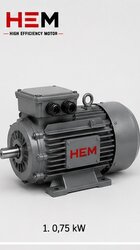
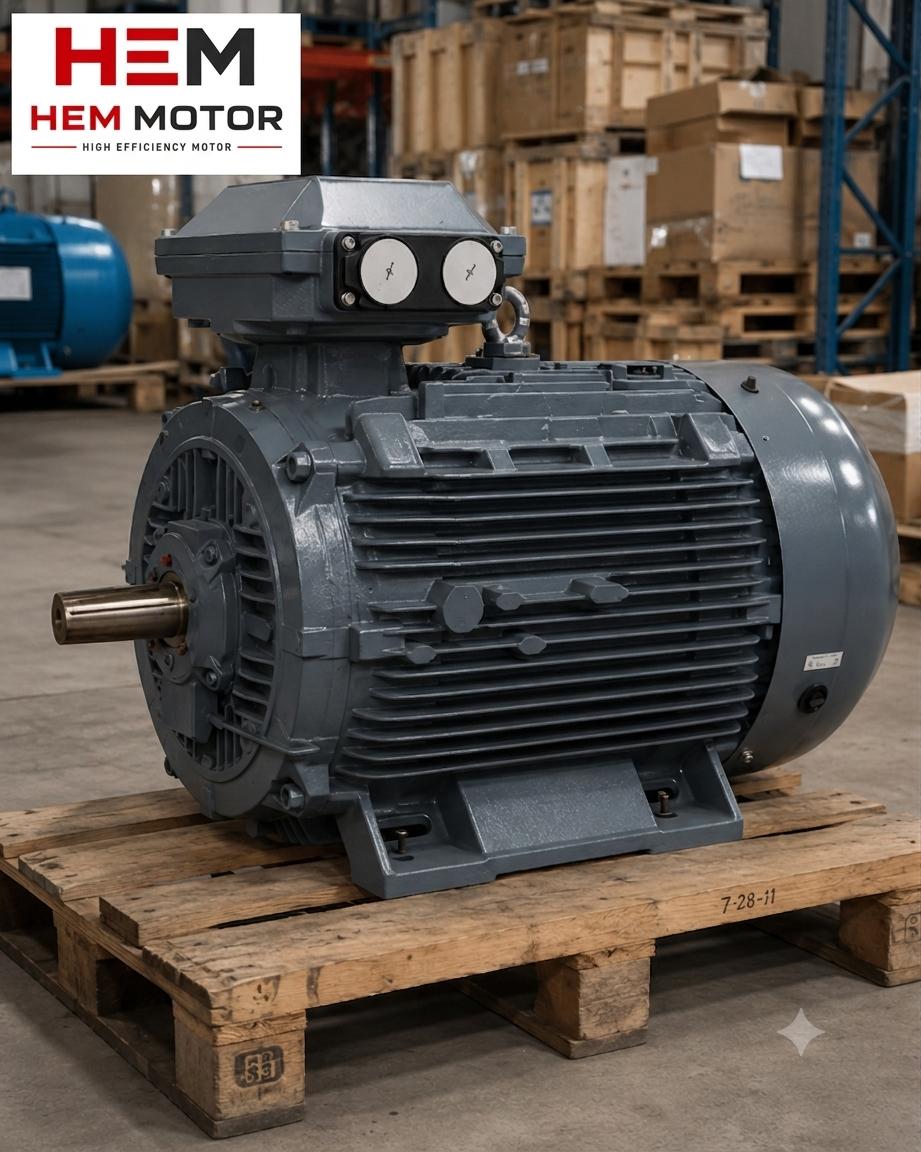

When buying an electric motor, most businesses choose the power (kW) and speed correctly; these two values are easily found in the catalogue. The real divergence, however, occurs at a point often overlooked: the frame material. Cast iron or aluminium frame? At first glance both seem to do the same job; same power, same speed, same connection dimensions. But when the environmental conditions in which the motor will operate are not taken into account, the wrong frame turns the initial price advantage into a corrosion, vibration and early-replacement cost within a few years. In this guide we cover the real differences between cast iron and aluminium frames, which frame suits which facility, and the questions to ask before requesting a quote, with a practical decision table that you can apply directly to your own facility before deciding.
Our aim is to enable you to optimize both the initial investment and the long-term operating cost by choosing the right electric motor frame according to environmental conditions.
The Basic Character of the Two Materials
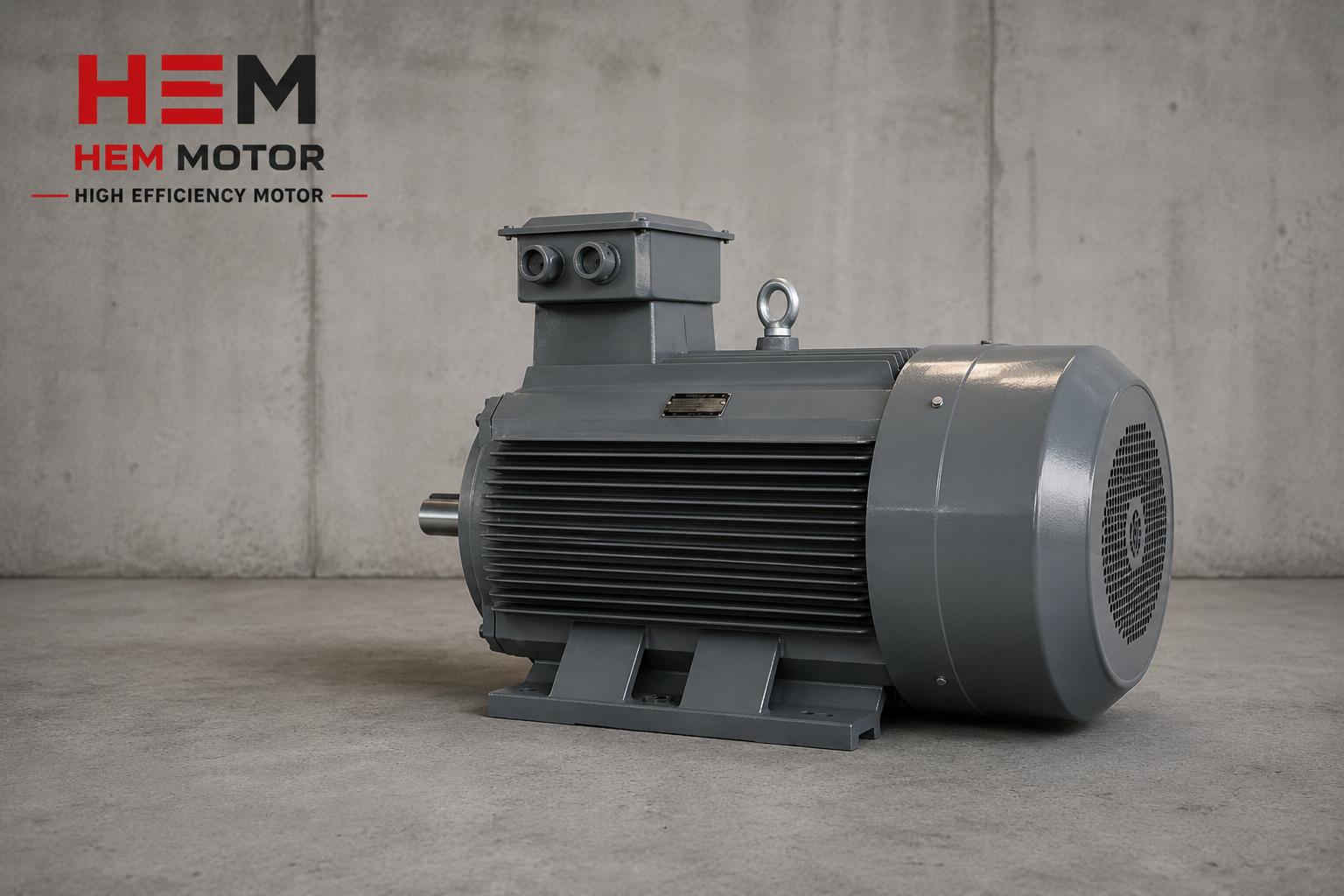
Cast iron (grey cast iron) and aluminium exhibit completely different characters in a motor frame. Understanding these differences is the foundation of the right choice.
Cast Iron Frame
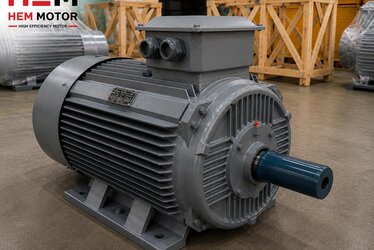
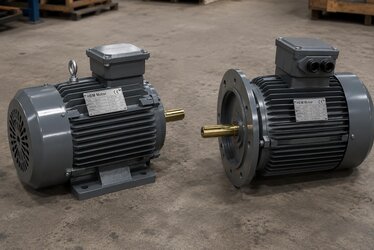
A cast iron frame is heavy, robust and has high vibration-damping capability. It is durable against mechanical impact and harsh industrial environments. Thanks to its high mass it absorbs vibration and runs quietly under heavy load. With proper paint and protection it is long-lasting against corrosion; it is preferred especially in humid, dusty environments open to chemical effects.
Aluminium Frame
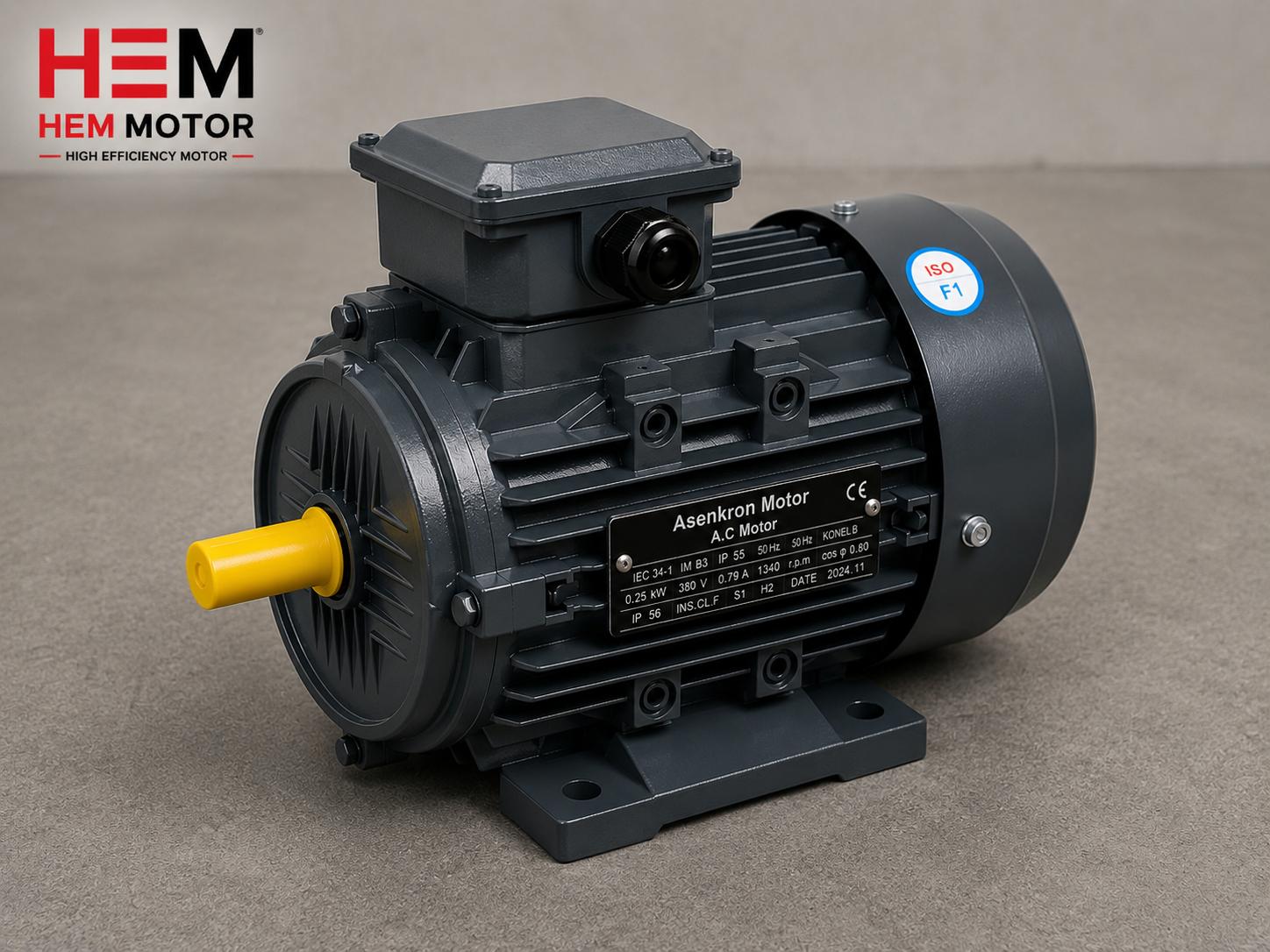
An aluminium frame is light, dissipates heat quickly and is easy to install. Its lightness provides transport and installation advantages; because of its high thermal conductivity the motor can cool better. However, its mechanical strength is lower than cast iron and it is more prone to corrosion in aggressive chemical environments. It is an ideal choice in clean, dry and light-load conditions.
- Cast iron: Heavy, durable, vibration-damping, suited to harsh environments.
- Aluminium: Light, cools well, easy to install, suited to clean and light environments.
Environmental Conditions Determine the Decision
The main factor determining frame selection is the environment in which the motor will operate. The same-power three-phase electric motor can run fault-free for years with an aluminium frame in a textile workshop, while the same frame can corrode quickly in a mine or chemical plant.
Humidity and Corrosion
High humidity, coastal (salty air), chemical vapours and continuously wet environments accelerate corrosion. In these conditions a cast iron frame, with suitable protective paint, is far more durable. Aluminium is sensitive to certain chemicals and its surface can degrade in aggressive environments.
Mechanical Stress and Vibration
In high-vibration applications such as heavy industry, stone crushing, mining and mills, the cast iron frame's vibration-damping capability provides a major advantage. Vibration can over time cause fatigue cracks in an aluminium frame.
Temperature and Cooling
Aluminium's high thermal conductivity helps the motor cool better. However, where ambient temperature is very high or the motor runs continuously at full load, cast iron's mass heat capacity can also be advantageous.
Practical Decision Table: Which Frame for Which Facility?
The guide below summarizes which frame is more suitable by facility type. The final decision should always be made through a detailed evaluation of site conditions.
- Clean production facilities, assembly lines, light machinery: An aluminium frame is usually sufficient and economical.
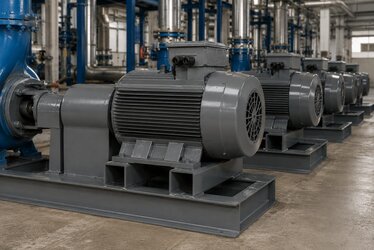
- Pump stations, irrigation, humid environments: A cast iron frame is safer due to corrosion resistance.
- Mining, quarry, cement, heavy industry: A cast iron frame is preferred for mechanical strength and vibration damping.
- Chemical plants, coastal, salty air: A corrosion-resistant cast iron or specially coated frame is needed.
- Frequently moved, mobile equipment, light cranes: Aluminium's lightness provides an advantage.
Total Cost: The Price Advantage Can Be Deceptive
An aluminium-frame motor is usually cheaper on initial purchase. But when used in the wrong environment, it may need replacing within a few years due to corrosion and early failure. In that case the initial price advantage is more than offset by the cost of replacement, installation labour and production downtime. Choosing the right frame from the start lowers the total cost of ownership.
In terms of stock and supply, determining the frame suited to environmental conditions at the project stage prevents future replacements and stoppages. For up-to-date electric motor prices and stock availability, the healthiest approach is to clarify your technical specifications and request a quote. For a wider product range you may also evaluate the cast iron frame motor and aluminium frame motor options.
Protection Class and Coating: Completing the Frame Decision
The frame material alone does not determine protection; the motor's protection class (IP) and surface coating complete its environmental resistance. IP55 protection guards against dust and low-pressure water spray, while IP56 withstands stronger water jets. In humid and dusty environments, if the right IP class is not chosen, even the most durable frame can be damaged from within, because the truly sensitive region is the inner volume where the winding sits.
In aggressive atmospheres, special coating options come into play beyond standard paint. Paint systems suited to corrosion category C3, C4 or C5 significantly extend the frame's life in coastal and chemical environments. Therefore, when choosing the frame material, the protection class and coating category should be evaluated at the same time; together the three form the motor's real environmental resistance.
- IP55: Common for general industry; protects against dust and light water spray.
- IP56 and above: For wash-down environments and strong water jets.
- Corrosion category (C3-C5): A special paint system is chosen according to atmospheric aggressiveness.
Maintenance, Spare Parts and Life-Cycle Cost
Frame material also affects the motor's maintenance and spare-parts cycle. Cast iron frame motors can run with longer service intervals in heavy industrial conditions and are more tolerant of mechanical repairs. Aluminium frame motors, being light, reduce maintenance labour in applications that are frequently dismantled or relocated. In both cases, choosing a motor with standard frame dimensions makes finding replacements and spare parts easier later.
When evaluating life-cycle cost, you should look not only at the purchase price but together at corrosion risk, expected service life, replacement frequency and downtime cost. Placing the right frame in the right environment ensures the motor uses its full expected life and minimizes unplanned stoppages.
- Service interval: The right frame requires less frequent maintenance in a harsh environment.
- Ease of replacement: Standard frame dimensions speed up finding spares and replacements.
- Downtime cost: Early failure can be far more expensive than the purchase price.
Questions to Ask Before Requesting a Quote
To choose the right frame, the following questions must be answered before requesting a quote: In what environment will the motor operate (humidity, dust, chemicals, temperature)? What is the level of vibration and mechanical impact? What is the ambient temperature and ventilation like? Will the motor be moved frequently or remain fixed? Is there a corrosive atmosphere? The answers to these questions clarify the frame material decision and enable the supplier to recommend the right product. The protection class (IP55, IP56, etc.) and any special coating need should also be determined at this stage.
Frequently Asked Questions
Can an aluminium-frame motor be used in any environment?
No. An aluminium frame is ideal in clean, dry and light-load conditions. But it is unsuitable in environments with high humidity, chemical vapour, salty air and heavy vibration due to corrosion and fatigue risk. A cast iron frame should be preferred in these conditions.
Is a cast iron frame always better?
No, there is no "always better" frame; the right frame depends on the environment. In a clean and light environment an aluminium frame is both sufficient and economical; buying cast iron unnecessarily increases both cost and weight. The choice should be made according to operating conditions.
Does frame material affect the motor's efficiency?
Frame material does not directly determine electrical efficiency; efficiency is more related to winding and magnetic design. However, the frame's cooling capability affects the motor's operating temperature and therefore its life. The wrong frame can indirectly reduce performance and life through overheating or corrosion.